Record Care
Clean and Store Vinyl Records: A Conservative Care Workflow
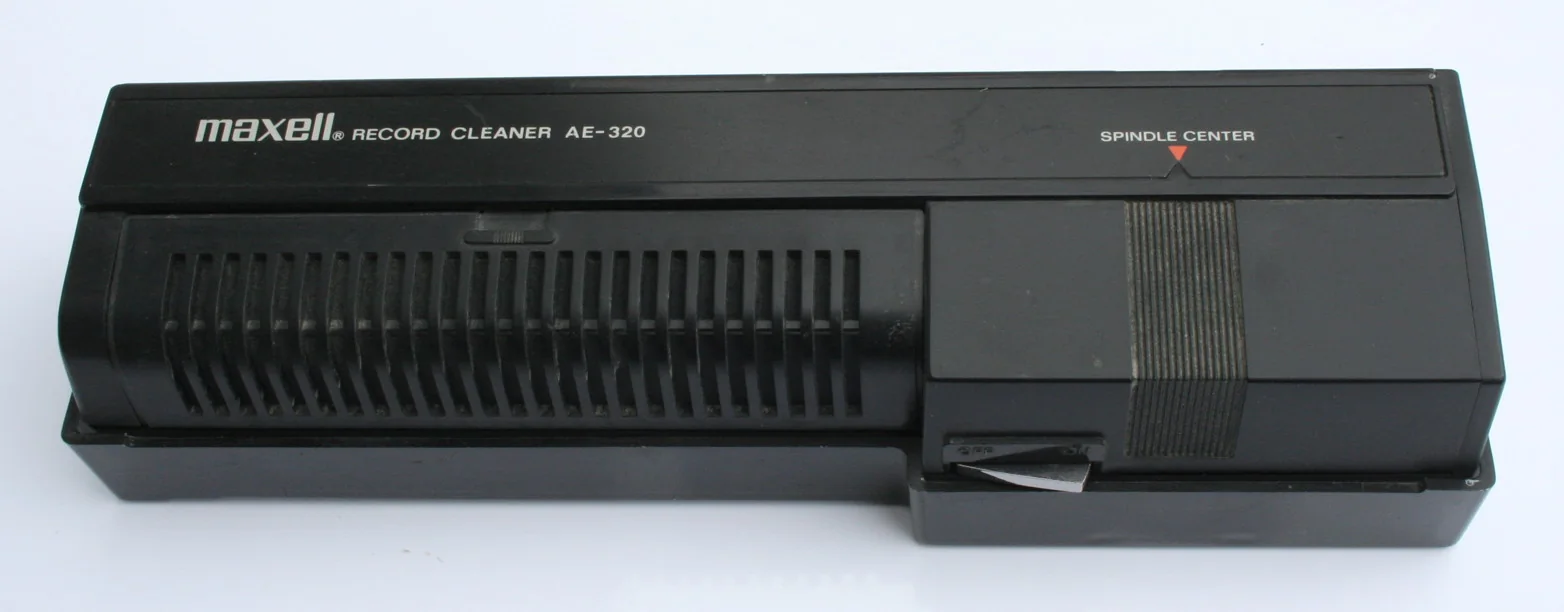


Cleaning a record is a controlled attempt to remove contamination, not a way to rebuild damaged grooves. Begin with the material, the visible problem and the least intrusive useful action. For an ordinary vinyl LP with loose dust, careful handling may be enough before playback. A moldy disc, an unfamiliar older format or a badly warped collectible calls for a different decision. Knowing when to stop is as important as owning a cleaning kit.
Identify what you are handling
This guide concerns ordinary vinyl records. Do not apply its wet-cleaning discussion automatically to shellac discs, lacquer recordings, picture discs or an object whose construction you cannot identify. The Library of Congress and conservation literature distinguish recording formats because their materials and failure mechanisms differ. A solution advertised for one material is not automatically appropriate for another. If identification is uncertain, postpone treatment and seek format-specific guidance.
Inspect the disc and sleeve before bringing them into your normal listening area. Look for visible deposits, unusual residue, a damaged label, cracks, severe distortion or evidence of damp storage. Keep suspected mold away from clean records and avoid brushing it into the air. Valuable or unstable material warrants a conservator's advice. A household cleaning procedure should not become a substitute for identifying a more serious preservation problem.
Establish a clean handling routine
Wash and dry your hands, clear the work surface and keep drinks away. Support the disc by its edge and label area rather than touching the playing surface. These basic precautions follow Library of Congress handling guidance and reduce the need for repeated intervention. Prepare a clean sleeve before starting, so a treated record does not immediately return to the same dirty enclosure. Keep cleaning tools separate from cloths used for furniture or other household tasks.
Check the turntable and stylus according to their manufacturers' instructions. Noise is not automatically evidence of a dirty record. A contaminated stylus, unsuitable setup or a fault elsewhere in the playback chain may contribute. If several unrelated records suddenly develop the same problem, investigate that common cause before applying more fluid to each disc. Do not increase tracking force beyond the cartridge's specified range to force a damaged passage to play.
Remove loose contamination without grinding it in
Begin by identifying loose dust rather than immediately scrubbing the surface. Use a record-care tool according to its instructions, with light contact and a clean working edge. Stop if grit is being dragged around or the tool leaves debris behind. Repeated pressure is not a substitute for removing particles. The Library of Congress discusses dust removal, while the older CLIR conservation report explains why abrasion and contamination deserve attention.
Avoid interpreting a dry brush as a complete restoration system. It may help with loose surface material, but fingerprints and embedded contamination pose another problem. If the record remains noisy, record the symptom and consider whether a controlled wet cleaning is appropriate. There is no useful rule that every noise requires another pass. Persistent damage can remain after the surface is clean, and extra handling introduces its own opportunities for scratches.
Use a controlled wet-cleaning process
For an identified vinyl LP, choose a cleaning product or machine with explicit instructions for that material. Follow its dilution, contact time, application and removal directions rather than mixing unrelated online recipes. Protect the label as directed, use clean tools and avoid letting dirty fluid migrate from one disc to the next. If the product's instructions do not explain compatibility or removal, that uncertainty is a reason to choose another method.
The CLIR report explains why distilled water and appropriate surfactants appear in conservation cleaning procedures: water alone does not remove every kind of deposit, and residues matter. Its historical professional recipes are not a universal household formula. This guide deliberately supplies no blanket alcohol, detergent or ammonia mixture. Where a process specifies a rinse, use the specified water and clean equipment. Remove fluid as directed and let the record dry completely before playback or enclosure.
Evaluate one treatment before escalating
After drying, inspect for residue and listen only if the disc is safe to play. Note whether the original symptom changed. If a repeated click remains in exactly the same place, another cleaning is not guaranteed to help. If playback worsens or residue appears, stop and review the method rather than adding another chemical. Keep the comparison practical: same record, known setup and a specific symptom, not a promise that cleaning should produce silence.
Do not use wood glue as a routine scratch repair, and do not flatten a record with an oven, sunlight, glass sheets or improvised weights. Those actions introduce risks beyond ordinary contamination removal. A groove that has lost information cannot be restored by washing it. A valuable warped disc should be assessed by someone qualified to discuss that particular object and treatment, including the possibility that no intervention is justified.
Store the clean record so the work lasts
Use a suitable clean inner sleeve and keep an original printed sleeve separately if you want to preserve it. The Library of Congress discusses polyethylene enclosures and upright storage with adequate support. Records should stand without severe leaning or tightly forced compression. Shelving must support their concentrated weight. Keep different disc sizes appropriately supported rather than letting smaller items disappear between larger jackets, and leave room to remove a record without scraping its neighbors.
Choose a cool, relatively dry, clean and stable room away from direct light, radiators and leak risks. Library of Congress guidance gives approximately 35–40 percent relative humidity for home collections, while separately listing other targets for institutional storage. Those contexts should not be combined into one supposedly universal setting. Stability and the actual risks in your room matter; a hot attic, damp basement or sunny window is a poor trade for attractive display space.
Keep a small care record
Write down the material, initial symptom, product or process used and the result. That short note prevents repeated experiments and helps you explain a problem to a seller or specialist. Export a collection catalog if you use one, but keep essential care notes somewhere dependable. A successful routine is modest: fewer contaminants, careful handling and stable storage, with realistic limits on what cleaning can accomplish.