Collecting Guides
Buy a Record with a Clear Brief: Music, Edition, Condition and Total Cost
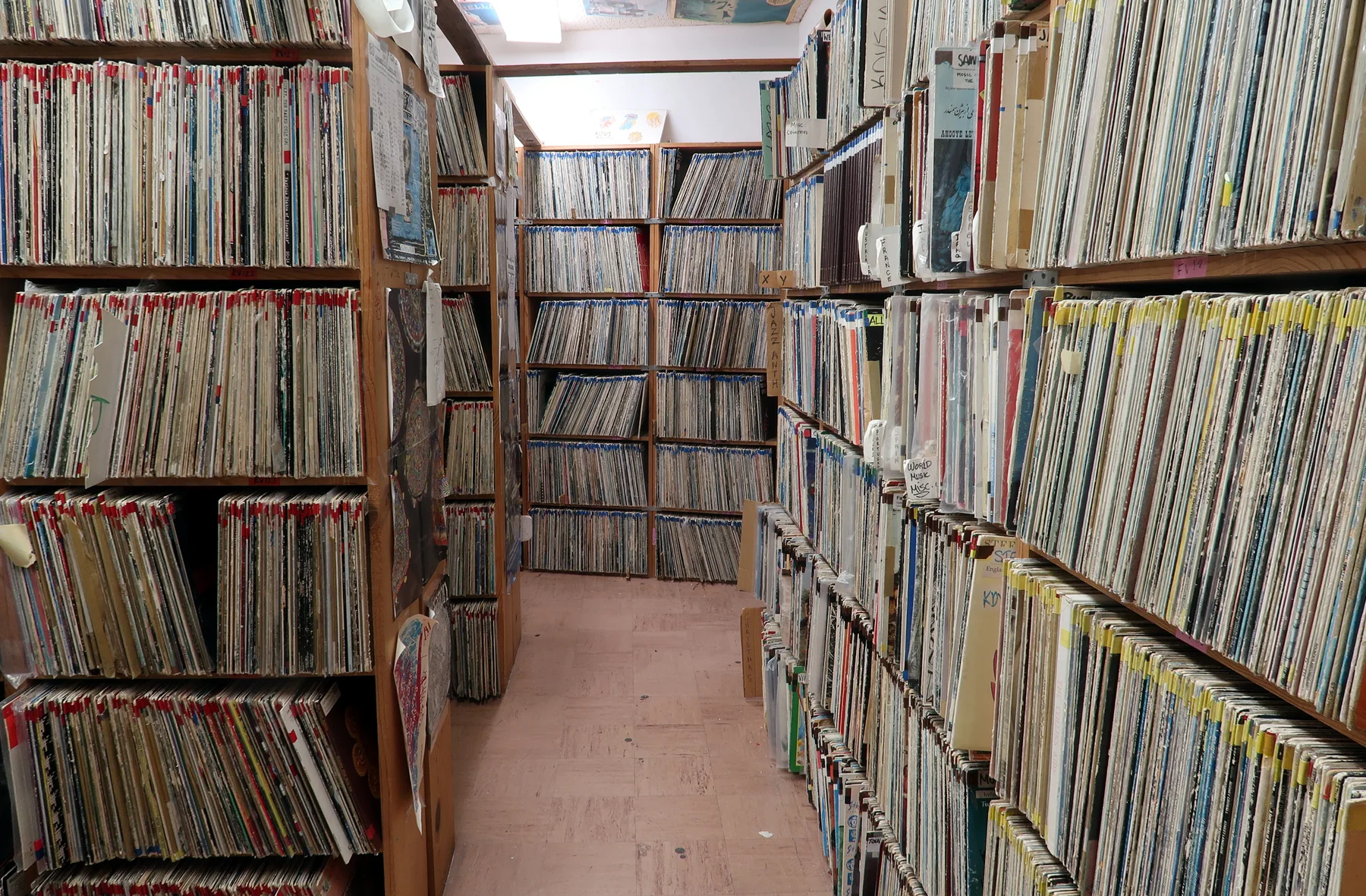

Build a vinyl collection around records you will actually play and decisions you can explain. Before choosing a pressing, decide what you want from the purchase: a particular performance, a specific mix, a historical object or an affordable listening copy. These goals sometimes overlap, but they do not produce the same shopping list. Separating them makes a small budget more useful and prevents a persuasive description from doing the thinking for you.
Write a listening brief before opening listings
Choose a small group of albums and give each a reason for inclusion. You might want to follow one musician across different ensembles, compare two approaches to songwriting or hear an album in its original sequence. Listen legally before buying when possible. An unfamiliar record can be a rewarding discovery, but a chart position or a collector's reputation does not establish that you will enjoy returning to it.
Next, decide which features are essential. An original mono mix may be essential for one purchase; an intact poster may matter for another. For a routine listening copy, neither may be necessary. Put your non-negotiable features in writing and keep preferences separate. This short brief protects you from paying for an extra you did not originally want simply because the seller calls it desirable.
Identify the edition before comparing the price
An album title identifies music, not every physical release of that music. Check format, disc count, country, catalog information and the actual program. A single LP, a double album, an expanded box and a compilation can appear together in search results. A later edition may add performances or change the sequence. Album-specific guides on this site address those differences where the research supports them.
For a claimed collectible issue, ask for the labels and complete runout inscriptions. Match the combination to a release-specific reference rather than relying on one feature. A front cover can conceal a mismatched disc, and a familiar catalog number may appear on multiple editions. If you cannot resolve the identification, treat it as uncertainty in the offer. Do not invent certainty because a listing has many confident adjectives.
Read condition grades as defined claims
Discogs uses a Goldmine-based standard. Its VG+ description permits signs of careful previous handling, with defects mainly cosmetic rather than materially affecting the overall listening experience. VG allows more evident wear and noise, especially during quiet passages. This difference matters when selecting sparse acoustic music or an exposed piano recording. Ask what the seller actually observed, not just which abbreviation appears beside the price.
Grade the disc, jacket and extras separately. A worn sleeve need not prevent a good listening purchase, while a pristine jacket does not repair a scratched record. Ask whether the seller visually inspected, spot-played or played every side. Visual grading leaves playback questions open. Sealing also limits inspection; it does not guarantee that the enclosed record is flat, correctly packed or free from manufacturing faults.
Reject shortcuts that do not establish quality
Heavier vinyl, an old copyright date and a famous plant name do not jointly prove that a copy sounds better. Weight describes a physical attribute. A copyright date can refer to the music rather than the pressing. A mastering claim needs documentation for the edition in question. Treat words such as original, analog and audiophile as questions to resolve, not substitutes for an actual production credit.
Sound descriptions also require context. A seller's warm or detailed impression is not a controlled comparison. If a sample is available, use it to investigate a specific concern such as a skip or repeated click. A recording made through an unknown playback system cannot reliably settle every tonal or noise question. It is useful evidence within limits, alongside identification, condition and the terms of the transaction.
Compare total cost with a worked decision
Suppose three hypothetical offers contain the album you want. Copy A costs 20 units plus 12 delivery, with a poorly explained condition grade. Copy B costs 29 plus 4 delivery, with a detailed playback description. Copy C costs 45 delivered because of a collectible sleeve feature. These figures are examples, not current market prices. A and B cost nearly the same overall, while their evidence differs substantially.
If your brief is regular listening, B may justify investigation before A. C requires another reason: do you actually want its sleeve feature, and is that feature authenticated? Include applicable taxes, possible return costs and the inconvenience of a disputed purchase. Comparing completed transactions can help only when the editions, grades and extras are comparable. An unsold asking price does not show that another buyer paid it.
Send one precise seller question
Try a message with clear components: identify the requested edition; ask whether every side was played; name the passage or defect that concerns you; request the relevant photograph; and ask about the return terms. This is more answerable than asking whether the record is good. For a multi-disc album, ask for confirmation of every disc and side rather than assuming the correct jacket proves the set is complete.
If the response is evasive, contradictory or unrelated to the request, reconsider the purchase. Lack of an answer does not prove fraud, but it leaves the question unresolved. You do not need to turn every uncertain listing into a successful investigation. A less glamorous, well-described copy can be a more useful addition than an expensive claim you cannot verify. Keep the original listing and replies if you proceed.
Inspect arrivals before planning the next purchase
Check the contents promptly against the description: edition, disc count, visible condition, labels and advertised extras. Handle surfaces by the edge and label area, following Library of Congress guidance. If a disc needs care, use a material-appropriate process rather than treating a suspected defect with an improvised repair. Describe discrepancies precisely while the seller's stated return process is still available.
Finally, record what you bought and what you learned. A simple catalog can include edition evidence, condition notes, total cost and a preferred listening passage. Keep a durable backup and plan suitable upright storage before the shelf becomes crowded. The result is a collection shaped by informed listening and practical limits, with fewer purchases that depend on untested promises or hoped-for investment returns.