Jazz Vinyl
Moanin’: Hear the Messengers Beyond the Famous Opening
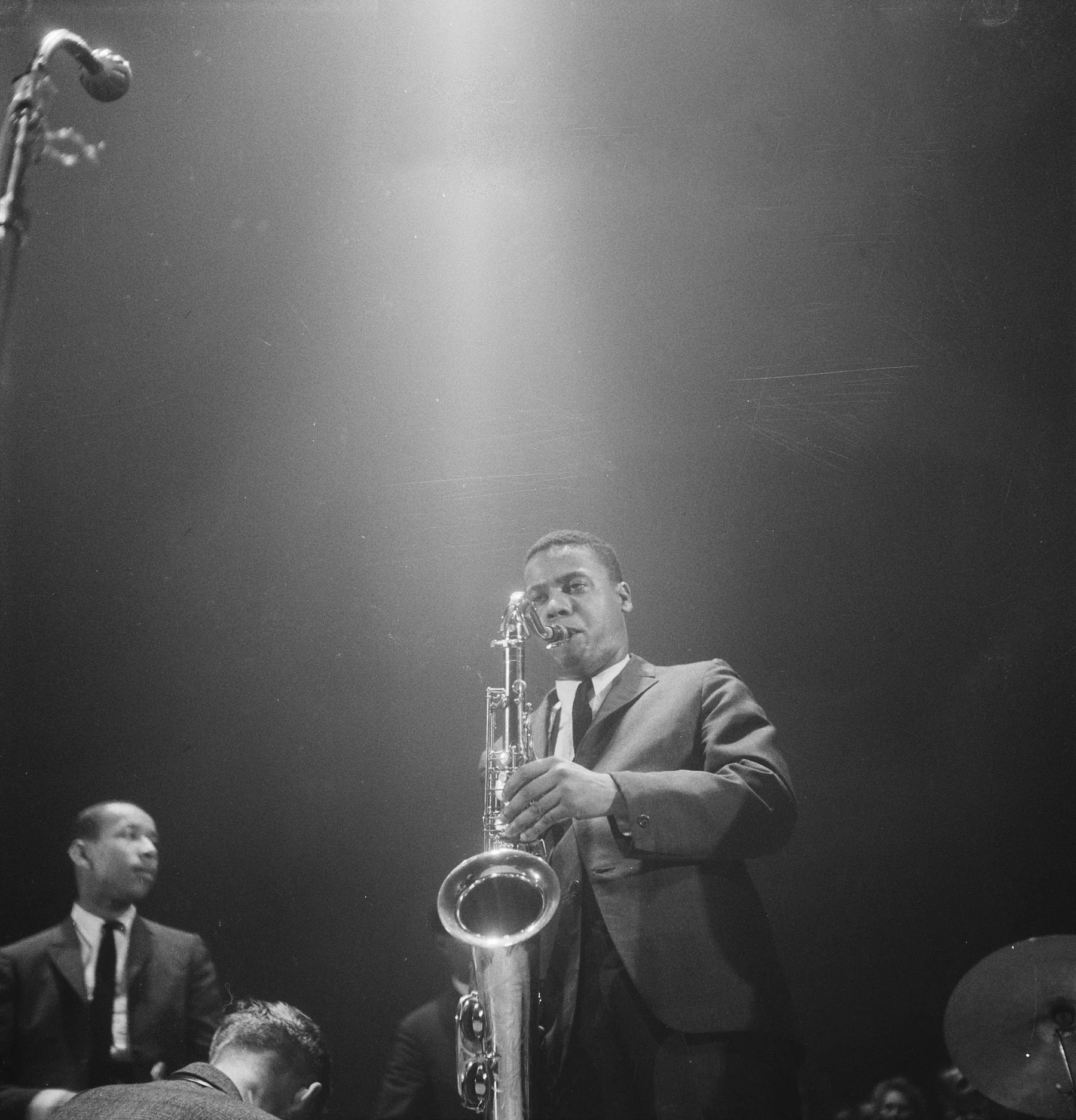

Moanin’ has a useful double meaning for a record buyer. It names a six-track album program associated with Art Blakey and the Jazz Messengers, and it names Bobby Timmons’s opening composition, the first encounter many listeners have with this music. Blue Note’s track account gives the other five selections their own distinct authorship, character and place in the sequence. This guide offers a short way to find out whether the entire LP suits your listening, follow the ensemble beyond its familiar opening, and understand where an expanded edition changes the program.
Separate the song from the record
Start with the opening track and note what attracts you: the recurring theme, the solo voices or both. Then write one question. Does the group interest you when a different writer shapes the next composition? Do you want a full album by this quintet, or did this particular tune catch your ear?
The album pairs Timmons’s title tune with four Golson compositions, then closes on a standard. Naming the writers lets you hear how the group responds to different material. It also keeps the central track from standing in for the full program in a review or purchase decision.
Meet the five players as a working group
The date features Blakey on drums, trumpeter Lee Morgan, tenor saxophonist Benny Golson, pianist Bobby Timmons and bassist Jymie Merritt. Rather than memorizing a personnel list, follow one musician across adjacent pieces. Choose Morgan: notice the way a trumpet statement is answered by another horn or by Timmons. Then return to the same passages and attend to Blakey’s accents. The band’s identity emerges from those relationships as much as from the title tune.
A second pass can follow the bass. When several horns carry the melody, Merritt’s part gives you a reference for how the group moves through themes and solos. Write down one change that became easier to hear when your attention shifted; transcription and solo rankings are unnecessary.
Hear Along Came Betty after the opening
Use the second question in your notebook on Along Came Betty: what changes when the tune’s melodic line stretches out? Blue Note describes it as a relaxed, long-lined piece. That specific observation gives a useful comparison with the more immediately recognizable title composition. Listen for how the horns state the written material together and how the solo passages leave room around the melody.
A guide word such as “relaxed” is a starting point, not a grade of the record. Ask what you hear that earns the word in this piece. Is it the melodic shape, the space between phrases or how the drums support the group? The answer helps you decide whether the program’s slower unfolding appeals to you. It also makes the listening exercise repeatable: return to one passage, listen once for the theme and once for the accompaniment, then compare your notes.
Use the Drum Thunder Suite as a listening map
The Suite has three named movements: Drum Thunder, Cry a Blue Tear and Harlem’s Disciples. Their titles provide an order for following the composition as it changes. Blue Note describes the opening with mallet percussion, a middle section with a Latin-tinged quality and a closing melody that features Morgan. Listen for a transition in texture at each boundary. The suite is a composed sequence, so its internal changes belong to one album track rather than indicating a damaged or incomplete side.
You can make the comparison without needing to identify a drum technique. Write “opening,” “middle” and “close,” then add the sound or player that most clearly distinguishes each section to you. On a playback system with a track display, the whole suite may appear as one item even as its music moves through several sections. Check the album’s program before reporting a supposed missing track. That simple distinction saves an unnecessary return request and supports a more careful description of what you heard.
Compare Blues March and the closing standard
Blue Note draws attention to the military drum pattern at the start of Blues March. Listen to the entrance and notice how the beat sets up a march-like expectation for the horns. Then hear the final Come Rain or Come Shine as a song with an established history beyond this album. A familiar standard can be a practical bridge for someone who recognizes the composition from another performance, while the arrangement and group interpretation remain specific to this date.
Choose one of the two pieces to revisit and record why. The drum entrance may make Blues March easy to locate, while a familiar standard may be a useful comparison. Your choice can guide a next step toward Golson’s writing, Morgan’s other groups or another Blakey program.
Decide which version fits your purpose
The six-song sequence gives you a clear starting point for choosing a copy. If you want this album’s central program, confirm the six compositions and their order on the edition you are considering. Later expanded versions may add a different performance of the title piece. That extra can help someone compare interpretive choices; it changes what appears in the track list, though the original six-song listening path remains easy to identify.
When a listing uses the album name for several formats, inspect the selected format and its full contents. A cover thumbnail may represent a family of releases. Ask the seller which release is being offered and whether the bonus track is included on the physical disc in the listing. The research cited here identifies the original song program and one expanded edition’s alternate-take distinction. It does not authenticate every catalog number, country pressing or mastering description. Check those claims against edition-specific documentation if they matter to your purchase.
Keep a useful listening record
After one full pass, write the name of the piece that led you into the album and the one that made you stay with it. Add one instrument you followed and one question that remains. This short record is more valuable than a generic ranking because it can guide a later comparison. It might suggest another Golson composition, a Morgan-led date or one of Blakey’s other groups.
If you compare two copies, keep the musical program constant. Confirm whether both use the same performances before attributing a difference to pressing or mastering. Then check your playback setup and listen for a repeatable physical defect, such as the same skip on each play. The listening notes can help you describe the passage accurately. For a broader introduction to album programs and edition checks, use the site’s collecting guide; for care, follow the conservative record-cleaning guide.