Jazz Vinyl
Free Form: A Quintet Listening Guide to Donald Byrd's Blue Note Date
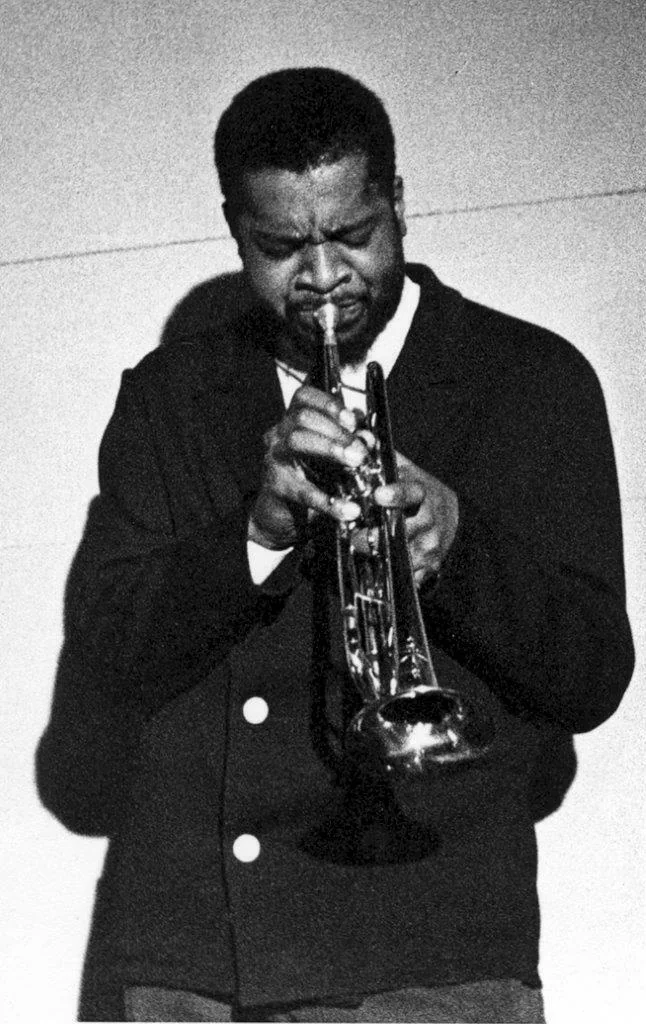

Free Form is easy to misread if you use its title or release year as a shortcut. Donald Byrd’s quintet recorded the music on December 11, 1961, at Rudy Van Gelder’s Englewood Cliffs studio, but Blue Note issued the LP in 1966. The original album program has five pieces, with Byrd on trumpet, Wayne Shorter on tenor saxophone, Herbie Hancock on piano, Butch Warren on bass and Billy Higgins on drums. That makes the record a useful first listen for hearing a compact hard-bop ensemble at a point when Hancock was still early in his Blue Note career. It is not automatically a free-jazz record simply because one track is called “Free Form.”
Separate the recording date from the release date
Blue Note’s Donald Byrd biography describes Free Form as a 1961 recording that gave a young Herbie Hancock some of his earliest exposure. Jazzdisco’s sessionography supplies the more specific date, studio, personnel and track information, and lists the original Blue Note BLP 4118 issue in 1966. The label’s BLP and BST catalog numbers are often used to distinguish the album’s mono and stereo series, but verify a particular copy against its label and runout rather than relying on a short seller description.
This four-year gap between session and release is the practical reason to keep the two dates separate. A database may display 1961 because that is when the players recorded; a marketplace may show 1966 because that is when the LP appeared. Neither date is automatically a typo. When comparing two listings, write down the catalog number, format and country alongside the year so you know whether you are comparing the session, an original issue or a later reissue.
Start with the original five titles
The LP sequence is “Pentecostal Feeling,” “Night Flower,” “Nai Nai,” “French Spice” and “Free Form.” Treat that list as the listening plan for the original album, not as a promise that every digital edition ends there. Start with the opening and closing titles, then return to the middle three. Notice which horn line you follow most naturally: Byrd’s trumpet or Shorter’s tenor. You do not need to identify every change in harmony to hear that a two-horn front line creates a different conversation from a solo-trumpet date.
On the second pass, follow Hancock’s piano for one track and the bass or drums for another. Keep notes factual: “I followed the bass into the next phrase” is more useful than a broad claim that a record is “deep.” The sessionography lists five compositions for the original LP. If a copy has more titles, mark where the additions begin and whether they are separate performances. That small step lets you enjoy extra material without confusing it with the original five-piece program.
Hear the quintet before deciding what the title means
The phrase “free form” can invite assumptions about the whole album. Instead, listen to the title composition and ask what you can verify: do you hear a stated theme, a return to a motif, a solo handoff, or an open passage? Note the answer for that piece only. Then compare it with “Nai Nai” or “Night Flower.” If the structures differ, the difference is more informative than assigning the album a single label based on its title.
The lineup makes this comparison especially practical. Byrd and Shorter share the front line; Hancock is the piano voice; Warren and Higgins supply the bass-and-drum foundation. These are credits, not a claim that each musician plays the same role in every bar. Pick one player and listen through the full track once. On a second listen, switch to a different player. This gives a newcomer a concrete way into the record and helps a returning listener hear how the ensemble’s balance changes from composition to composition.
Do not confuse “Three Wishes” with the LP sequence
Jazzdisco records “Three Wishes” as an additional track on the 1989 Blue Note CD reissue, after noting that it was not on the original 1966 LP. Apple Music currently presents Free Form as a six-song, 44-minute album, consistent with a listing that includes an extra selection. This is a format difference worth checking before you buy: the sixth track is not evidence that the original five-title LP had a missing side or a new composition added to the session.
If you want the original vinyl program, compare your copy’s label and jacket with the five titles above. If you want the later CD or digital version, inspect its complete sequence and confirm that “Three Wishes” appears. The album title on a streaming screen may match while the contents differ. Use the product-specific track list as the final check; do not infer that every edition includes the extra track just because one platform does.
Check an edition with the detail that matters to you
For a used LP, ask for photographs of both labels, the front and back cover, and the runout area. Match the catalog number and side information to a release record for the same country and format. If you are looking at a Blue Note listing, distinguish the BLP and BST series and check the physical evidence rather than trusting an “original mono” or “first pressing” phrase. A label design can narrow the search, but it cannot establish condition or authenticate an entire copy by itself.
For a CD or digital purchase, focus on the program: original five tracks or five plus “Three Wishes.” For a sound-quality comparison, require edition-specific mastering credits and use the same composition and passage. The sessionography is strong for dates and personnel; it does not certify the sound of every pressing. Avoid carrying a source claim from a 1989 CD over to a 1966 LP or a modern reissue without documentation for that release.
A focused listening exercise
Choose one composition, write down whether the theme is easy for you to recognize, then follow one horn player while the other rests or answers. Repeat with the piano as your anchor. Keep the notes short: “trumpet theme,” “tenor response,” “bass pulse” or “piano transition.” The exercise gives you an album-specific vocabulary without pretending to provide a definitive interpretation. It also helps you decide whether the pleasure for you is the paired horns, Hancock’s early presence, or the character of the five different compositions.
The record is a bridge between a clear quintet lineup and the more open invitation suggested by its title. Let the music answer how far that invitation goes. When you compare a later edition, keep the sixth-track question separate from your notes about the original five. Bonus material changes the package; listening decides whether the album works for you.