Jazz Vinyl
The Sidewinder: Is the Full Album More Than Its Famous Hook?
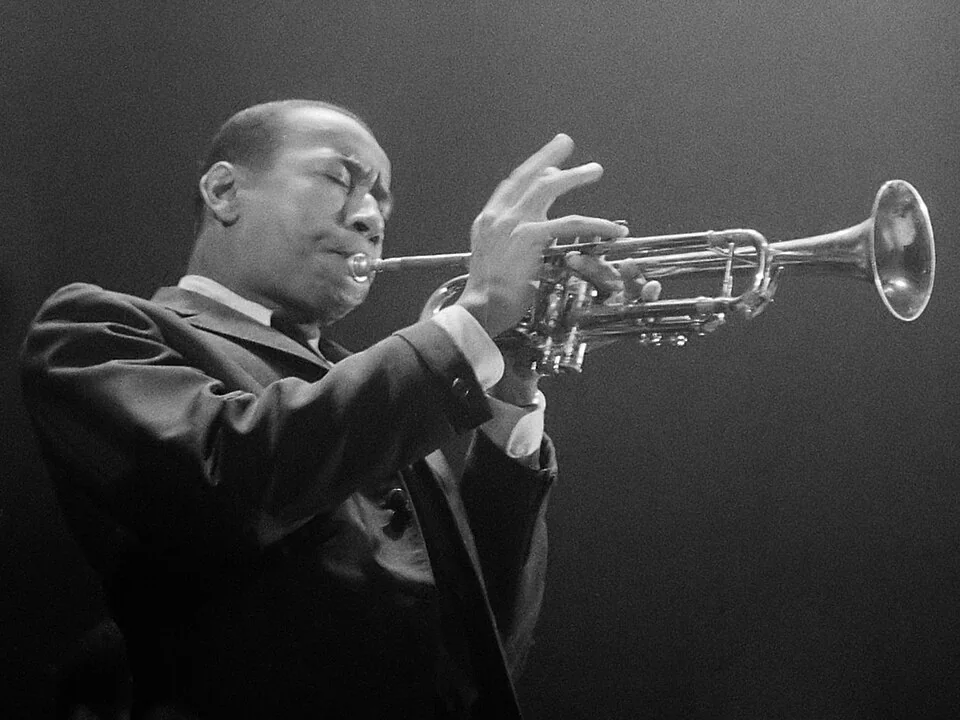

Knowing the opening groove of The Sidewinder does not necessarily mean knowing the album. Lee Morgan's title composition became a crossover success, but the LP contains five pieces, with changing rhythmic ideas and room for the whole quintet. Before buying because one familiar excerpt caught your attention, hear how the remaining selections develop that impression. The useful question is whether you want the complete musical program, an edited single or a collection containing some of the same performances.
Start with the full title performance
Blue Note's account distinguishes the long album performance from the edited single through which many listeners encountered the tune. That difference matters when comparing a preview with a record. A short excerpt can establish the hook without showing how the improvisations unfold. If you expect the album to move on as quickly as a single, its extended solo space may initially surprise you. Listen to a complete version before deciding whether that is an attraction or a drawback.
Follow the recurring rhythmic idea and notice how the lead role moves between instruments. You do not need to count the entire form to recognize the relationship between a memorable theme and a longer performance. Notice whether the repeated foundation keeps revealing new details.
Know the quintet behind the hook
Morgan plays trumpet with Joe Henderson on tenor saxophone, Barry Harris on piano, Bob Cranshaw on bass and Billy Higgins on drums. This is not an electric-funk ensemble with guitar and synthesizers, even if the title groove leads you toward that expectation. The appeal rests in what these five players do together. Listen for the difference between the horn statement, a piano response and the supporting pulse rather than treating everything beneath the trumpet as background.
One useful exercise is to follow Henderson through a section after hearing Morgan's contribution. Then replay the passage with attention to Harris or the bass. The purpose is to make the ensemble more legible, not to rank solos by speed or technical difficulty. A tune that initially seems familiar can become a different listening experience when you change what you follow. That possibility is part of deciding whether the extended format suits you.
Test the other four pieces before calling it a one-track album
The standard LP continues with Totem Pole, Gary's Notebook, Boy, What a Night and Hocus-Pocus. Blue Note identifies all five selections as Morgan compositions and describes a program without a ballad. That does not mean every piece repeats the title track's pattern. Use the sequence as a comparison rather than expecting the same hook to return under four new names.
Totem Pole offers another opportunity to hear the horns share a composed statement before the improvisations. Gary's Notebook provides a different point of comparison within the album's blues-related language. Rather than accepting a genre label as a complete explanation, ask what changes in the group's sense of motion and how a solo enters. Describe a difference in ordinary words.
Boy, What a Night is especially useful for challenging the idea that this is a single-groove package: Blue Note highlights its three-beat organization. Try following that cycle without forcing it into the title tune's familiar pattern. Hocus-Pocus then provides another perspective on the quintet's forward movement and ensemble writing. Hear these pieces before deciding that a compilation containing the hit will meet the same need as the full album.
Use Totem Pole to compare performances, not just formats
The original five-track album was recorded in December 1963 and released in 1964. An expanded Rudy Van Gelder edition listed on Blue Note's page adds a sixth selection: an alternate Totem Pole. The added track has a specific musical purpose. It offers another performance of a composition already heard earlier, rather than an extra composition that would change the original album's five-piece design.
Make a two-column note headed original and alternate. First compare the opening ensemble statement. Then follow one soloist through a manageable section in each performance, listening for the direction of a phrase and the response underneath it. Finally compare how the group returns to the theme. Do not assume that the shorter listed duration means an edited copy of the longer recording; the release explicitly identifies another take. An edit and an alternate performance answer different questions.
This exercise does not require a verdict that one take defeats the other. You might prefer the development of one solo but find the other ensemble entrance easier to follow. Record that precise observation rather than borrowing a reviewer's general claim about energy. If you cannot yet identify a difference, return to a shorter passage with one instrument in mind. Learning to hear a choice is a more useful result than feeling obliged to collect every version.
Give the rhythm section a separate pass
Blue Note's commentary identifies Cranshaw's bass introduction as part of the title performance's design and draws attention to Higgins in Hocus-Pocus. Use those as two contrasting entry points. Follow the bass as the title groove establishes itself; later, follow the drummer's contribution to the closing piece. The same ensemble can organize attention differently across compositions, which is why hearing only the lead trumpet misses part of this album's appeal.
The label also notes background band chatter during Boy, What a Night. That is useful context if a voice briefly catches your attention: another listener hearing a voice in that performance need not conclude that someone interrupted their playback. Keep the musical event separate from intrusive clicks or skipping on an individual disc. The aim is to hear the group's activity clearly, including sounds that belong to the recording itself.
Decide after a short, purposeful listening session
Hear the complete title track, then Boy, What a Night and one of the remaining pieces. That small comparison tests whether the hook, the changing rhythmic settings and the quintet's improvisation all interest you. If only the short hit appeals, a suitable single or lawful digital purchase may fit better. If the interplay keeps drawing your attention outward to the other musicians, the full LP offers a coherent next step.
A helpful final note names the piece that changed your initial impression and the player you followed. Perhaps the three-beat setting interested you more than the famous hook, or Totem Pole made the longer improvisations worthwhile. That answer gives the whole album a reason to remain in your listening rotation. It also provides a concrete starting point for exploring Morgan beyond his best-known title, without relying on a ranking or a promise about collectible value.