Jazz Vinyl
Bitches Brew: A Four-Side Listening Map for a Dense Electric Album
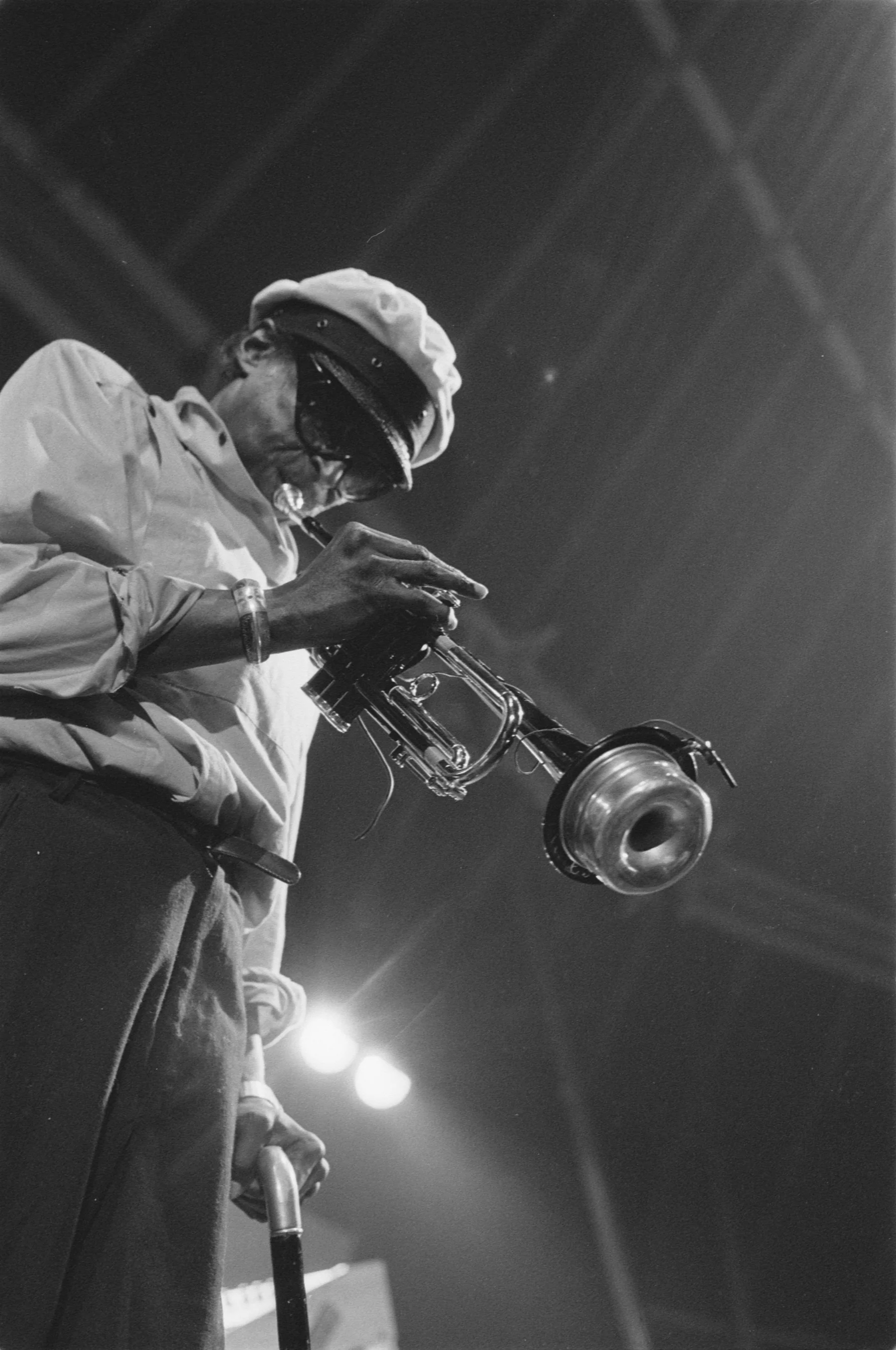

Bitches Brew can feel difficult to approach when a listener is handed a double LP, a handful of long titles and a collection of electric instruments without a map. A practical first listen does not require a theory lesson or a commitment to every later box set. Start by treating the original six-title sequence as four listening zones. Give each side one question, write down a change you can hear, and use that record to decide whether you want the original program or a release with additional session material.
Establish which program is in front of you
The six-title Columbia LP runs across four sides: Pharaoh’s Dance, Bitches Brew, Spanish Key with John McLaughlin, then Miles Runs the Voodoo Down with Sanctuary. The official Miles Davis site separately presents later related editions and track listings. A digital service, CD reissue and old two-disc LP may display different bonus material. Before comparing their sound, note the exact release and track sequence. This prevents an extra session track or a different program from being mistaken for a missing side.
The official album notes describe a studio work assembled from performances and edited sections. That production history is useful when you hear abrupt changes, repeated figures or contrasts in texture. It gives you a way to listen: follow one element as the music shifts, and ask where the recorded construction draws your attention. You do not have to treat every transition as a defect or assume that one uninterrupted take explains the whole track.
Give side one a single task
Begin with Pharaoh’s Dance. Instead of trying to name every instrument, choose one audible role: bass pulse, keyboard texture, percussion or a wind line. Keep attention on that role for a short stretch, then switch to another. A four-part note—pulse, texture, melody, change—can tell you more about your own response than a generalized label such as “experimental.” You are making a listening guide for yourself, not writing a technical transcription.
Compare the title track’s layers
The title track offers another chance to hear how a larger electric group occupies space. Make a short list of prominent sources named in the official notes, such as electric keyboards, guitar, bass clarinet, bass and percussion. You do not need to distinguish every player at once. Choose one layer and listen for when it moves forward, recedes or changes its relationship to the trumpet. Then repeat with another source.
That exercise helps answer a useful purchasing question: do you want music whose interest comes from the ensemble’s changing density and long development? If your preferred listening is built around short themes and clear song breaks, this may take more attention than you want to give it. Either answer is useful. Trying a full track through a legitimate service before buying will reveal more than relying on reputation, a star rating or the size of a special-edition package.
Use side two to follow a transition
Spanish Key and John McLaughlin share a side on the original LP, making the sequence a convenient comparison. The shorter McLaughlin-named track gives you a change of scale after the extended piece. Note how the group’s energy and focus shift as the side turns from one title to another. If you are listening on a turntable, the side change is a real pause in the original format, even if a digital edition can play both selections continuously.
Listen for the way an individual instrument becomes a focal point, then for what the rhythm section does beneath it. The official notes identify McLaughlin’s electric guitar as one component of the sound. Try following a guitar phrase and then moving your attention back to the bass or percussion. A two-column note can read “foreground” and “support,” with one observation in each. This is a simple way to find an entry point into a dense group texture.
Use side four to notice a change in focus
Miles Runs the Voodoo Down and Sanctuary share side four of the original album. Digital listings can flatten the physical layout, so confirm the edition before using a side break as your map. Return to the listening role you followed earlier and notice whether the group uses it differently here.
Write a new question before replaying: has the pulse become more important to you than the melody, or is a change in trumpet color what keeps you engaged? The question needs no specialist vocabulary. It helps you distinguish curiosity from fatigue. If attention wanders, choose a short portion and listen again; you can understand an album in several visits rather than treating it as a single endurance test.
Hear the closing transition into Sanctuary
Sanctuary closes the original sequence. The official Miles page credits the composition to Wayne Shorter, which is a useful factual detail when a listing or conversation casually attributes the whole album to its leader. Listen for how the band approaches a different composed idea after the long instrumental sections. Note one point at which the piece feels settled or open to you. A subjective reaction is valid as a personal note; keep it separate from claims about a pressing’s quality.
Choose the smallest version that answers your question
Choose the standard album when you want to follow the six titles and their sequence. Investigate a documented session collection when hearing additional recordings is central to your interest. A multi-disc package can provide more historical material, but the extra content only helps if you plan to listen to it. Confirm disc count, running order and whether the seller is showing the actual item. The official artist page distinguishes associated releases, while edition databases provide leads that need to match a specific product.
For a second-hand LP, check its label and catalog information against a release-specific reference. Do not infer mastering from the album title alone; different issues can reproduce the same performances.
Keep the notes that will guide a second listen
At the end, list the side or track that you want to revisit and the layer you followed. One sentence about a transition or groove is enough. Those notes help you decide whether you want to return to the familiar LP, explore an expanded set, or sample another electric Davis recording. They also make later edition comparisons more precise: first confirm that both copies contain the same program, then listen to the same passage at a similar level.
The four-side route makes a long album manageable. Stop between sides and return later; a single sitting is not required.