Jazz Vinyl
Brilliant Corners: Understand the Performance Before Blaming the Disc
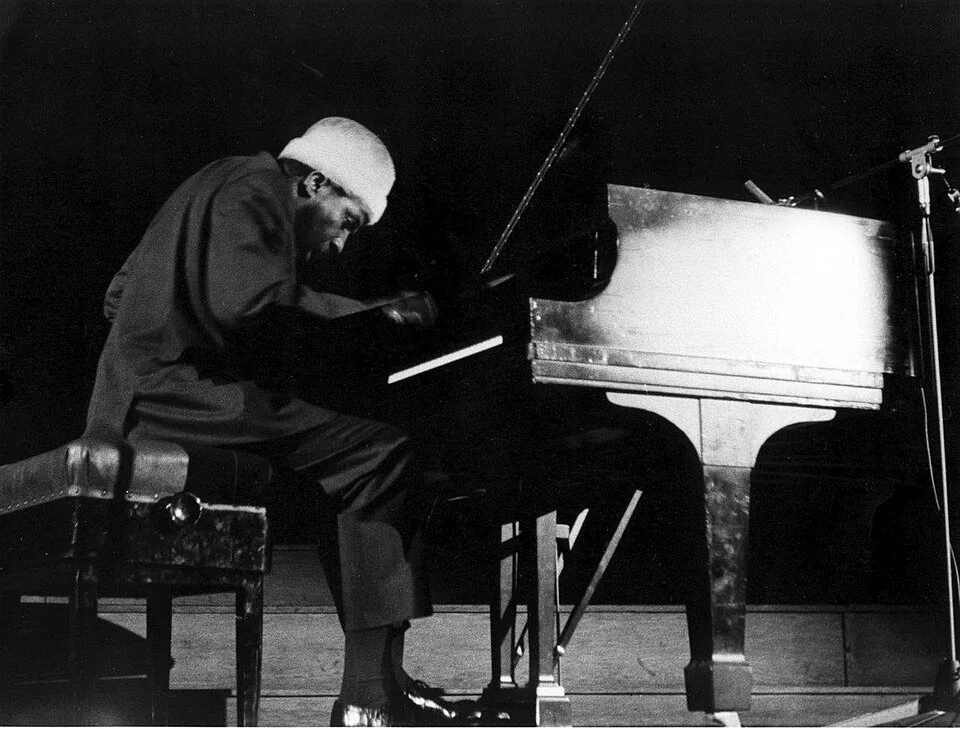

Brilliant Corners rewards a listener who is willing to separate unusual musical decisions from faults in a record. Its title performance was assembled from multiple takes, and the album moves between different ensembles, a distinctive keyboard color and solo piano. Those changes are part of the recording's identity. Before buying an expensive edition to cure something that sounds unfamiliar, learn what the program actually contains and what a new mastering can realistically change.
The title track is an edited performance
Accounts of the sessions describe producer Orrin Keepnews assembling the released title track from more than one take after the group struggled to complete it. That history changes how you approach the record. The issued performance is a constructed studio result, not a claim that one uninterrupted take captured everything. A later pressing can reproduce that result differently, but a description such as original tapes does not mean all recorded edits disappear.
The composition also uses rhythmic and structural changes that can unsettle a first-time listener. Rather than assuming every surprising turn means a skip, follow the recurring theme and notice how the music reorganizes around it. If you suspect a fault in your copy, compare the same passage with a legitimate reference version. A musical discontinuity shared by the source is different from a stylus repeatedly jumping in one physical groove.
That distinction is not permission to dismiss every defect. An intrusive repeating click, a genuine skip or equipment mistracking still needs investigation. The useful procedure is to identify the symptom, compare the intended performance and check the playback setup. Repeatedly washing a record cannot change the album's editing decisions. Likewise, buying a more elaborate box does not guarantee that an unfamiliar musical feature will become conventional.
Hear the contrasting settings within the album
The original program contains Brilliant Corners, Ba-Lue Bolivar Ba-Lues-Are, Pannonica, I Surrender, Dear and Bemsha Swing. Use those five titles to identify the standard album before comparing additional material. A familiar cover is less informative than a complete track list. If a release appends alternate takes or changes the program, determine which parts are the original album and which are additions.
Pannonica introduces the celesta into the album's sound. If you are expecting only an ordinary acoustic-piano tone from Monk, that change can be a useful listening landmark rather than a puzzle about equalization. Compare the character of its keyboard sound with the solo I Surrender, Dear. You need not know the mechanism of every instrument to recognize that a change in recorded instrumentation is not simply a mastering engineer turning a treble control.
The ensembles also change across the sessions. The documentation identifies Sonny Rollins, Ernie Henry, Oscar Pettiford and Max Roach in one setting, with Clark Terry and Paul Chambers appearing in the later group. Do not assume every horn or bass sound on the album belongs to one unchanged lineup. Knowing the personnel helps explain why a passage can have a different balance without requiring a story about a faulty pressing.
Try a three-part listening comparison
First, hear the title piece with attention to how the theme returns. Let the changing organization become familiar before attempting a technical analysis. Next, move to Pannonica and focus on the keyboard color. Finally, hear I Surrender, Dear as a solo setting. Those three comparisons establish that the album contains several different musical situations. It is more informative than judging the entire record from its most difficult opening moments.
On a later play, follow one of the ensemble participants rather than only the piano. Ask when a horn completes a phrase, how the drums respond and what happens when a player leaves space. These are prompts for your own listening, not a report of a private audition. They can help you decide whether the album's musical questions interest you before you pay for a particular physical presentation.
What the Small Batch release documents
Craft's Small Batch product page describes a specific edition with all-analog mastering by Bernie Grundman, 180-gram vinyl at RTI and a one-step manufacturing process using Neotech's VR900 compound. It also identifies numbered packaging, a linen-wrapped slipcase, a reproduction jacket and new notes by Ashley Kahn. Those are concrete specifications and extras you can check against the offered item. They should not be generalized to every pressing carrying the Brilliant Corners title.
The manufacturing process concerns how a record is produced from its cut, not how Monk's original session was assembled. It cannot turn the title performance into a previously nonexistent complete take. Nor does a reduced number of plating stages independently guarantee a perfectly silent copy or your preferred tonal balance. Read the technical description while keeping those limits clear. The label's promotional judgment about closeness to the recording remains a claim, not our comparative test.
Decide whether the extra package is useful
If the new essay and physical presentation are part of your interest, confirm that a used offer includes them. A numbered box without its stated contents is not the same package described by the publisher. Conversely, a listener who wants the five performances need not treat the deluxe enclosure as essential to understanding the music. The useful question is what the added material contributes to your listening or reading, not simply whether it is limited.
If you already own an edition, identify the dissatisfaction before buying another. Are you seeking better physical condition, a different documented mastering or explanatory notes? An unspecified desire for more detail is difficult to evaluate and can lead to repeated purchases that answer no clear question. A concrete concern gives you something to compare without turning a manufacturer's adjective into an expectation your system must reproduce.
Keep the recording's character in view
Brilliant Corners does not need to sound smooth in every respect to be a successful listening purchase. Its changing musical settings and constructed title performance are reasons to listen carefully. Choose a correctly identified copy with understandable contents and condition, then use the source notes and the album itself to distinguish intention from damage. That approach preserves the interesting questions in the music while avoiding promises that another pressing can rewrite its history.