Indie Folk
Happy Sad: Follow the Vibraphone Through Buckley’s Six-Song Folk-Jazz LP
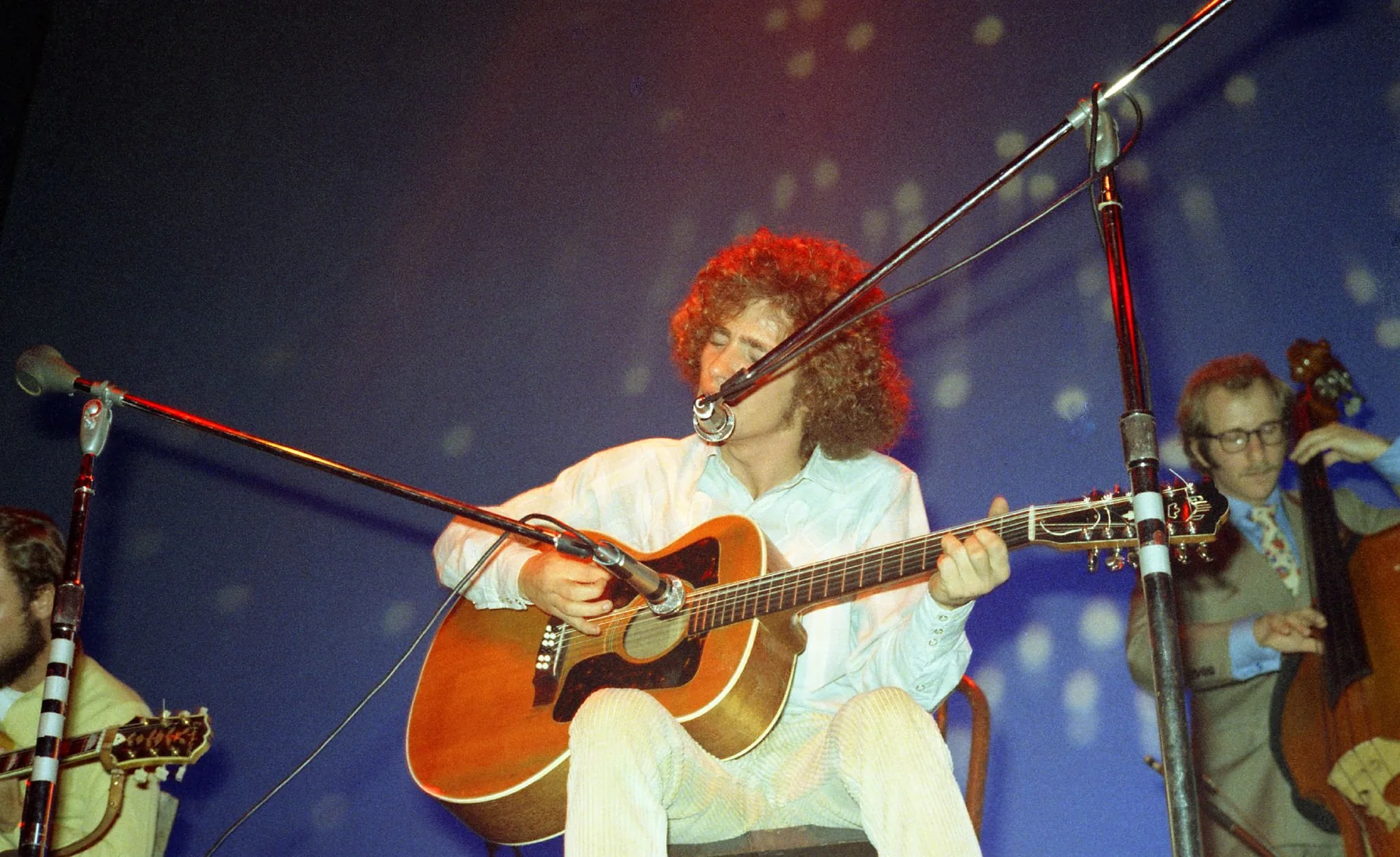

Why Happy Sad rewards a slower first listen
Tim Buckley’s Happy Sad appeared in 1969 as a six-song Elektra album. It can surprise a listener expecting concise, strummed folk songs: the performances give Buckley room to stretch vocal phrases, while the arrangements leave audible space around guitar and vibraphone. The point is not to label the record experimental and stop there. A simple listening plan can help you decide whether its long lines, relaxed pacing and changing instrumental focus are what you want from an LP.
The guide also separates the original album from a documented modern edition. Rhino Reserve’s tape, mastering and pressing details apply only to that product, not every Elektra copy or later repress. Use the catalog and physical-copy checklist before trusting “rare mono” or “best sounding” claims.
Start with the six-song side layout
Rhino lists three tracks on each side: “Strange Feelin’,” “Buzzin’ Fly,” and “Love from Room 109 at the Islander (On Pacific Coast Highway)” on side one; “Dream Letter,” “Gypsy Woman,” and “Sing a Song for You” on side two. This compact program is an advantage when comparing a vinyl listing with a streaming album or an expanded reissue. Look for the side break after the third track; bonus sessions, alternate mixes and unrelated live material belong to another edition or package.
The label calls the album the first Buckley LP of all-Buckley originals after two records he made with lyricist Larry Beckett. That is a useful credit distinction, not a reason to assume all six songs sound alike. Rhino also notes that “Strange Feelin’” was inspired by Miles Davis. “Inspired by” does not mean the track is a Miles Davis composition or a cover of one particular recording. Check the actual writer line on the edition you are holding if authorship matters to your catalogue.
Use a three-pass listening exercise
On the first pass, follow only the vocal. Pick a phrase in “Strange Feelin’” or “Dream Letter” and notice how long Buckley sustains a line, where he pauses, and whether the melody seems to resolve when you expect. Avoid describing every bend as improvisation unless you have a score or session record to support that word. Instead write down what you hear: rising contour, delayed ending, quick breath, or a phrase that spills over the beat.
On the second pass, follow David Friedman’s vibraphone. Rhino identifies Friedman as a player on the album and describes Lee Underwood’s guitar work, but it does not provide a complete track-by-track session sheet on the product page. Treat the exercise as attentive listening rather than proof that one musician plays on every moment. Does the vibraphone create a second melodic line, punctuate the vocal, or stay in the background? Replay the same passage and decide whether its role changes as the singer moves.
On the third pass, compare the first and second side openings. Ask how your attention resets after turning the record: do you return to the vocal, notice the guitar more, or listen for the rhythm? Make one note about each side rather than writing a grand verdict. This helps distinguish a record whose pace suits repeated listening from one that feels too spacious for your current mood. It is a more useful decision than relying on a genre tag alone.
Listen for space without confusing it with silence
Rhino describes the arrangements as predominantly acoustic. “Sparse” need not mean empty: follow one instrument and notice when it changes how a vocal phrase lands. An instrument can be quiet yet structurally important.
Avoid borrowing a confident mood label from a review before you listen. “Happy” and “Sad” are not instructions that each side has a fixed emotion. Write down where you feel tension, release, motion or stillness, and tie each observation to a named passage. Such notes can remain personal while the credits, year and program stay fact-checkable.
Compare documented editions on their own terms
The 1969 Elektra album and the current Rhino Reserve product are different records as objects even when they share the same six-song program. Rhino says its Reserve LP was cut from original tapes by Chris Bellman at Bernie Grundman Mastering and pressed at Fidelity Record Pressing on 180-gram vinyl. These are product-specific statements from the label. They describe Rhino Reserve’s advertised chain; they do not verify the source, mastering or pressing of a random Elektra disc.
If the modern specification matters, compare the listing’s exact product name, barcode, catalog number and package with the Rhino Reserve product page. If you want an original Elektra edition, identify the country, catalog number and label design from the physical copy rather than substituting the Rhino description. A release database can help you locate candidate variants, but community-submitted data should be corroborated with photographs and label information.
Choose a modern issue for its documented specifications or an Elektra copy for the historical object and packaging. The sources do not prove either is universally quieter or more natural. “From original tapes” is not an A/B test and cannot predict your copy, system or room.
Inspect the used record and listing
Ask for actual images of the sleeve front and rear, both labels and both runouts. Match the catalog number and title to the intended territory. Confirm the six-track sequence and the third-track side break. If a listing says mono, request a source that establishes the mono release being offered; do not infer it from the seller’s adjective or from the album’s age.
Ask whether the seller play-tested the disc, and which sections were checked. A report that “it plays fine” is less useful than one naming a repeatable click, a skip, or a quiet passage with background noise. Under angled light, look for scuffs, scratches, residue and warps; then inspect the jacket seams, spine, ring wear and moisture damage. A photograph can reveal obvious wear but cannot establish how a groove sounds.
For playback, use a clean stylus and listen to a quiet section on each side. Replay a noise at the same position; check another LP before attributing it to this copy. Do not attempt aggressive cleaning to erase a scratch.
Decide what you want before buying
Choose Happy Sad for a six-song album that gives Buckley’s vocal and a small acoustic ensemble room to unfold. If you want shorter familiar songs, start elsewhere. Select an edition by documented specifications, original packaging or verified condition. The six-title program and copy-specific evidence matter more than a scarcity estimate.